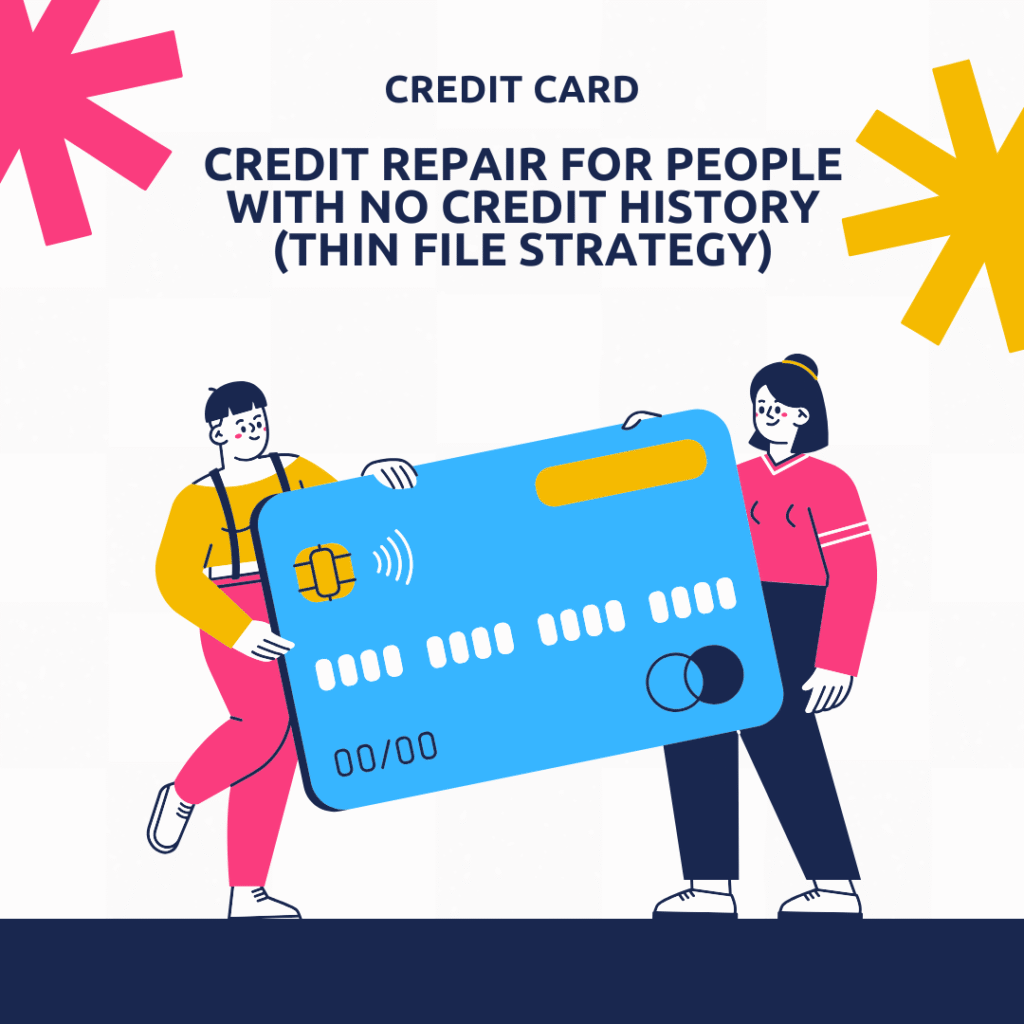
When people hear the term “credit repair,” they often think about fixing a bad credit score. But what if you don’t have a score at all? This situation is known as having a “thin credit file”—and it’s more common than you might think, especially among students, young professionals, freelancers, and individuals who have always relied on cash.
Having no credit history can be just as challenging as having poor credit. Lenders simply don’t have enough information to judge your financial behavior, which makes them hesitant to approve loans, credit cards, or even rental applications. The good news is that building credit from scratch is completely possible with the right strategy.
What Is a Thin Credit File?
A thin credit file means you have little to no recorded credit activity. This can happen if:
- You’ve never taken a loan
- You’ve never used a credit card
- Your previous credit activity was too old or inactive
- Your financial transactions are mostly cash-based
Without data, credit bureaus cannot generate a reliable score. As a result, lenders see you as an “unknown risk.”
Why Having No Credit Can Be a Problem
It may seem logical that having no debt is a good thing—and it is, from a financial perspective. However, from a lender’s point of view, no history means no proof of responsibility.
This can lead to:
- Loan rejections
- Difficulty getting a credit card
- Higher interest rates when approved
- Lower credit limits
In simple terms, lenders prefer someone with a proven track record over someone with no track record at all.
Step 1: Start with a Secured Credit Card
One of the easiest and safest ways to build credit is through a secured credit card. This type of card requires you to deposit a fixed amount (for example, ₹10,000), which becomes your credit limit.
Why this works:
- Banks take less risk because your deposit acts as security
- Your usage and repayment behavior get reported to credit bureaus
- It helps establish your first credit history
To use it effectively:
- Spend small amounts regularly
- Pay the full bill on time every month
- Avoid using more than 30–40% of your limit
Over time, this builds a strong repayment record.
Step 2: Use Small, Manageable Credit Products
Instead of jumping into large loans, start small. Options include:
- Consumer durable loans (for electronics or appliances)
- Small personal loans with short tenure
- Entry-level credit cards
The goal is not to borrow heavily but to demonstrate responsible usage and repayment.
Consistency matters more than the amount.
Step 3: Leverage Alternative Credit Data
Modern financial systems are evolving, and many lenders now consider alternative data beyond traditional credit accounts.
These include:
- Rent payments
- Mobile and internet bills
- Utility bills (electricity, water)
- Subscription payments
Paying these on time may not always directly increase your score, but they can strengthen your profile when lenders evaluate you manually or through advanced models.
Step 4: Become an Authorized User
If a family member has a well-managed credit card, you can ask to become an authorized user on their account.
Benefits:
- Their positive payment history can reflect on your profile
- You gain exposure to credit without full responsibility
- It helps build your credit age and activity
However, this only works if the primary user maintains good financial discipline. Poor usage on their part can negatively affect you as well.
Step 5: Maintain Low Credit Utilization
Once you start using credit, how much you use matters just as much as whether you repay.
For example:
- If your limit is ₹10,000, try to use only ₹2,000–₹3,000
- High usage signals dependency on credit
- Low usage shows control and discipline
This ratio, known as credit utilization, plays a key role in shaping your credit profile.
Step 6: Pay Everything On Time—No Exceptions
Your payment history is the most important factor in building credit.
Even one missed payment can:
- Delay your progress
- Lower your future score
- Create a negative impression early on
Set reminders or enable auto-pay to ensure you never miss a due date. Whether it’s a credit card bill or a small EMI, consistency is critical.
Step 7: Avoid Applying for Too Much Credit at Once
When you apply for multiple credit products in a short time, lenders perform hard inquiries on your credit report.
Too many inquiries can:
- Make you appear credit-hungry
- Reduce your chances of approval
- Temporarily impact your score once it’s generated
Instead, space out your applications and focus on building gradually.
Step 8: Monitor Your Credit Progress
Once you begin using credit, your profile will start to develop within a few months. Regularly check your credit report to:
- Ensure all information is accurate
- Track your progress
- Identify any errors or unauthorized activity
Monitoring helps you stay in control and make timely corrections if needed.
Common Mistakes People with No Credit Make
Many beginners unknowingly slow down their progress by:
- Avoiding credit entirely out of fear
- Using too much credit too soon
- Missing small payments
- Closing accounts early
- Applying for premium cards without history
Building credit is not about speed—it’s about steady, responsible behavior over time.
How Long Does It Take to Build Credit?
Typically, it takes 3 to 6 months of consistent activity to generate an initial credit score. However, building a strong and reliable profile can take 6 to 12 months or more.
Patience is key. Quick fixes don’t work in credit building—only consistent habits do.
The Long-Term Benefits of Building Credit Early
Once you establish a solid credit history, you unlock several advantages:
- Easier loan approvals
- Lower interest rates
- Higher credit limits
- Better financial opportunities
It also gives you flexibility in emergencies and helps you plan major expenses like buying a car or home.
Final Thoughts
Having no credit history is not a disadvantage—it’s a blank slate. You have the opportunity to build your credit profile the right way from the beginning, without the burden of past mistakes.
By starting small, staying consistent, and practicing disciplined financial habits, you can transform a thin credit file into a strong and trustworthy credit profile. Remember, credit is not just about borrowing—it’s about proving reliability over time.